
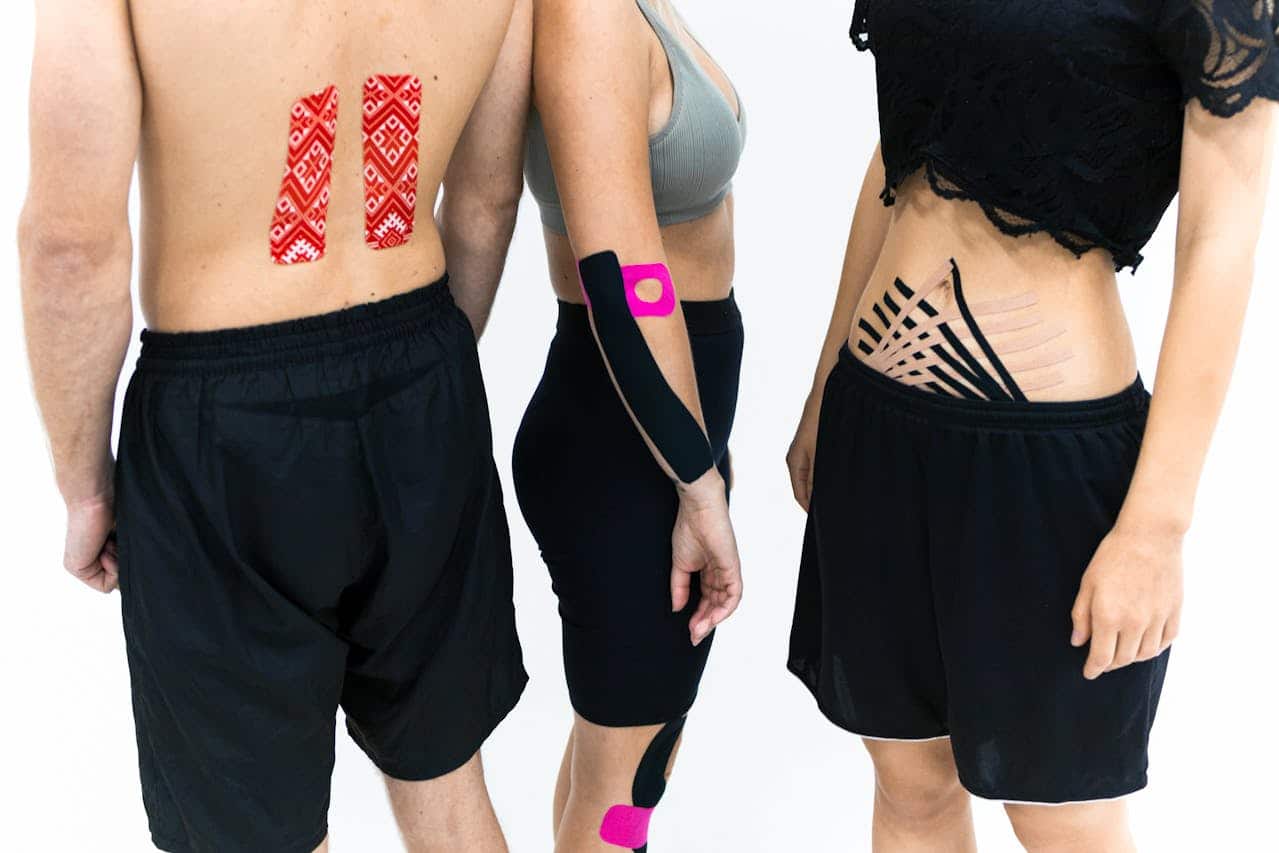
Introduction to Kinesiology Taping
Kinesiology taping has evolved from a niche therapeutic technique into a cornerstone of evidence-based sports medicine and rehabilitation. Says Dr. Timothy Francis, i nitially developed to facilitate the body’s natural healing processes, this modality utilizes a specialized, elastic adhesive tape designed to mimic the elasticity of human skin. By providing targeted support without restricting a patient’s range of motion, it addresses both physiological and neurological pathways to assist in recovery. As practitioners continue to seek non-invasive interventions, kinesiology tape has become a primary tool for managing musculoskeletal conditions in clinical and athletic settings.
The efficacy of this intervention relies heavily on the precise application of the tape based on anatomical landmarks and individual clinical presentations. Rather than acting as a rigid brace, the tape interacts with the cutaneous mechanoreceptors to provide sensory input that can modulate pain perception and influence muscle recruitment patterns. This professional approach ensures that the recovery protocol is tailored to the specific needs of the patient, moving beyond simple application to a systematic integration of therapeutic goals.
Mechanisms of Physiological Influence
The primary physiological mechanism of kinesiology tape centers on its ability to create microscopic lifts in the skin and subcutaneous tissues. This structural interaction helps to decrease interstitial pressure, which is particularly effective in reducing edema and promoting lymphatic drainage following acute tissue trauma. By optimizing the microcirculation in the affected area, the tape facilitates a more efficient exchange of cellular waste products, thereby accelerating the natural inflammatory healing response and reducing discomfort for the patient.
Beyond fluid dynamics, the tape acts as a form of proprioceptive feedback that is essential for neuromuscular re-education. By applying the tape to specific muscle groups, practitioners can provide the patient with constant sensory information regarding joint position and muscle tension. This input helps to correct biomechanical imbalances that may have resulted from injury or chronic repetitive stress. By bridging the gap between mechanical support and sensory awareness, the tape serves as a functional adjunct that supports better movement patterns during the rehabilitation process.
Evidence-Based Application Protocols
Rigorous clinical research has demonstrated that the effectiveness of kinesiology tape is highly dependent on the tension applied during the installation process. Evidence-based protocols suggest that the degree of stretch must be calculated based on whether the therapeutic goal is muscle inhibition, muscle facilitation, or structural stability. For instance, facilitating a weakened muscle requires a specific anchor and tension profile that encourages muscle spindle activation, whereas inhibiting an overactive or hypertonic muscle requires a different mechanical approach to reduce excitatory feedback.
Furthermore, these protocols emphasize the importance of skin preparation and post-application assessment to ensure therapeutic longevity. A professional approach mandates that the skin be cleansed of oils and debris to maximize adhesion, while the tape should be applied with rounded corners to prevent premature peeling. By adhering to these evidence-based standards, practitioners can maintain a consistent therapeutic effect throughout the duration of the recovery cycle, ensuring that the patient receives sustained support throughout their daily activities.
Integrating Taping into Comprehensive Care
Kinesiology taping is most effective when it is viewed not as a standalone solution, but as a component of a multi-modal rehabilitation strategy. Integrating tape alongside manual therapy, therapeutic exercise, and corrective movement drills creates a synergistic effect that enhances overall outcomes. The tape serves as a bridge that carries the benefits of a clinical treatment session into the patient’s home and work environment, providing continuous support long after the session has concluded.
This comprehensive integration also requires regular re-assessment of the patient’s progress to determine if the taping protocol needs to be adjusted. As a patient’s mobility improves and pain levels subside, the clinical requirement for the tape may evolve. A professional approach necessitates that the therapist monitors these shifts in the patient’s condition, ensuring that the application remains relevant and effective. This dynamic cycle of assessment, application, and evaluation is what defines a sophisticated, evidence-based approach to patient recovery.
Clinical Considerations and Future Outlook
While kinesiology taping is widely regarded as a safe and effective intervention, practitioners must remain aware of individual contraindications such as skin integrity issues, allergies to adhesive materials, or underlying systemic conditions. Patient education is a vital aspect of the professional application process, as it empowers individuals to understand the purpose of the tape and the expected outcomes of the treatment. This transparency fosters a collaborative environment where the patient is an active participant in their own recovery, leading to higher levels of adherence and satisfaction.
As research continues to expand, the future of kinesiology taping lies in the refinement of specialized techniques and the development of new materials that offer even greater precision. The ongoing evolution of this field reflects a commitment to evidence-based practice and a deeper understanding of human biomechanics. By maintaining a focus on scientific validation and clinical excellence, healthcare providers can continue to utilize this modality as a reliable and professional tool for managing injuries and optimizing physical performance across diverse populations.
Conclusion
In summary, kinesiology taping represents a sophisticated and highly effective intervention when applied through an evidence-based lens. By leveraging the principles of fluid dynamics, proprioception, and muscle facilitation, practitioners can provide targeted support that bridges the gap between active clinical care and daily functionality. As the field continues to grow, maintaining a focus on professional standards and rigorous patient assessment will be essential for ensuring that taping remains a vital component of modern rehabilitation protocols.